


A Simple Guide to PPC Management for Small Business in 2027

Nathan Schenker
This is some text inside of a div block.

November 6, 2026
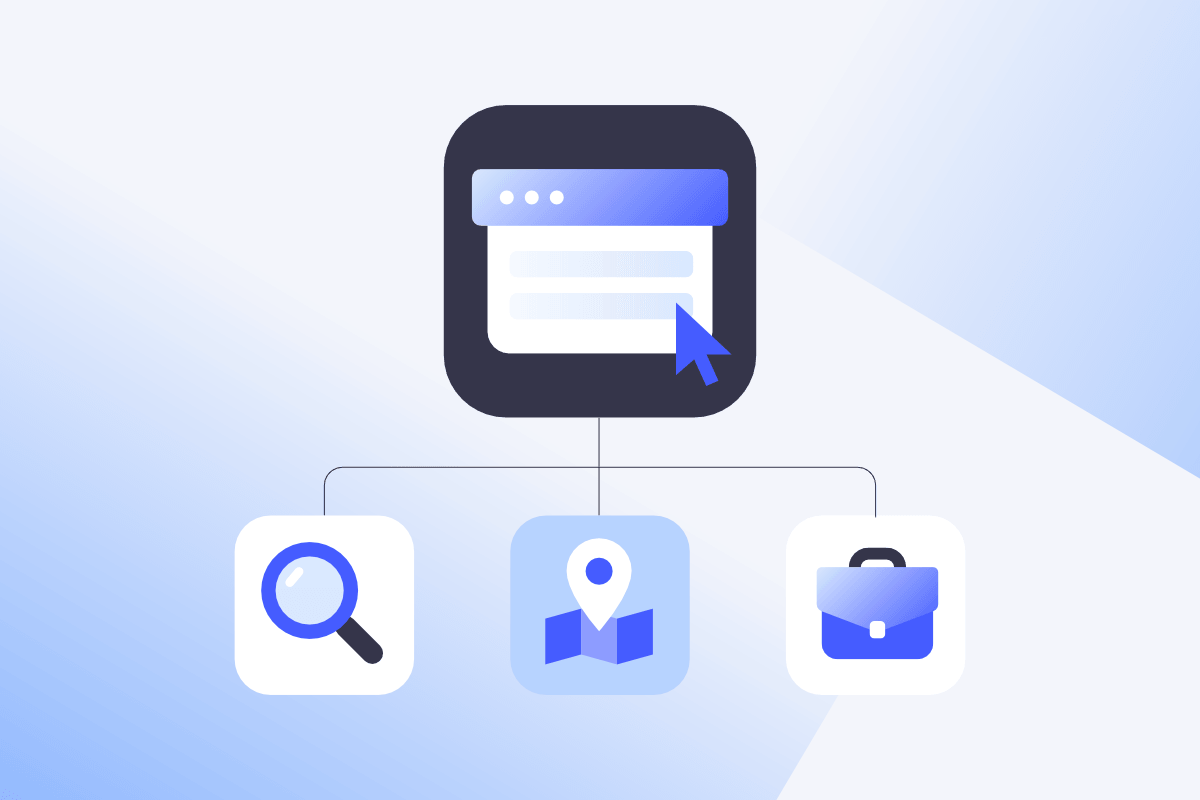
PPC management for small business owners is the work of running your paid ads so they bring in customers without wasting money.
With these ads, you pay each time someone clicks, whether your ad appears on Google, Bing, or a social media platform such as Facebook, Instagram, or LinkedIn.
But what separates it from other forms of advertising or digital marketing is that your ad can show up right when someone searches for what you sell, and you can start with almost any budget.
When your ads are managed well, you can trace each dollar you spend back to a call, a booking, or a sale.
However, sometimes getting the ROI you’re looking for can be harder than many online gurus make it seem.
Ad platforms have dozens of settings, and the default options often spend your money faster than they bring in customers. Most owners don’t have hours each week to learn the system, so they either keep paying for clicks that go nowhere or give up on ads altogether.
This article breaks pay-per-click management down into plain steps you can follow. You’ll learn what to set up first, where PPC offer the most value, and how to tell if your ads are paying off.
And if you would rather hire help, you’ll know what a good PPC manager or agency should be doing for you.

What is PPC?
As we noted earlier, PPC stands for pay-per-click, but in some circles you may hear it referred to as Search Engine Marketing, or SEA for short.
And it’s a type of online advertising where you pay only when someone clicks your ad. If 500 people see your ad and 20 of them click on it, you pay for those 20 clicks.
The price of each click is set by an auction between businesses bidding on the same searches. For example, clicks on Google Shopping ads for products sold online often cost less than a dollar, while clicks on competitive searches, like those for law firms, can cost more than $50 each.
The cost of a click is completely relative to the cost of the service or product your business is offering, as well as the competition in the industry.
You’ve likely seen PPC ads many times without noticing.
The most common are search ads, the text ads at the top of Google and Bing results with a small “Sponsored” label, or in a separate sponsored section.
There are also map ads that appear in Google Maps when someone looks for a business nearby, which makes them a big part of local business PPC management.
Shopping ads show a product photo and price right in the search results.
Social ads run in Facebook and Instagram feeds, where they’re shown to people based on their interests and location instead of what they searched for.
Now, something worth noting about PPC ads is that they’re not something you set up once and forget. Click prices, competitor ads, creative or design development, copywriting needs, and the words people search with all change over time, so your ppc campaigns need regular checking and adjusting.
That ongoing work is called pay-per-click campaign management.
And in the case of PPC management for small businesses, it means paying for clicks from people who are likely to buy, specifically at a price that still leaves you a profit.
The Benefits of PPC Marketing
Getting in Front of Customers Quickly
Small business PPC can put your ads in front of customers fast.
Each new ad is reviewed before it runs, and most reviews take one business day or less. That means your new service, or a seasonal sale, can start getting attention almost right away. It works the other way, too.
If you’re fully booked or running low on stock, you can pause your ads and stop paying for clicks until you’re ready again. This is a distinct advantage of PPC advertising that other forms of marketing can’t offer. For example, you can’t pause a promotional email marketing campaign that was already sent out, or develop an seo marketing strategy in the course of a day.
Staying in Control of Your Ad Spending
Another benefit of PPC is that you decide how much you spend.
You set an average daily budget, and you won’t be charged more than that amount in a billing period. You can change your budget at any time, and as often as you want.
So if a ppc campaign isn’t working, you can lower its budget the same day instead of waiting for a contract to end. With steady PPC management, small business owners can plan ad costs the same way they plan rent or payroll.
Reaching People Near Your Business
Many platforms offer some form of geo-targeting or radius targeting so you can show ads only to people within a set distance of your business, or within a specific area.
This does two things.
Firstly, it allows you to reach customers who are eligible to receive your product or service. And secondly, it ensures you won’t be paying for clicks that will never convert to sales.
Seeing What Your Money Returns
On platforms such as Google, Bing, YouTube, or Meta, conversion tracking is free and shows what people do after they click your ad, like making a purchase or calling your business.
So with PPC, small business owners can tell which ads and keywords lead to sales and which ones don’t.
Once you know that, you can move more of your budget to what’s working and develop a robust strategy that’s constantly improving.
Understanding What Your Customers Are Searching For
The data you collect when running ads helps beyond increasing sales. Many PPC platforms offer insight into what your customers are searching for.
That information can offer a tremendous opportunity for your brand to more closely align your messaging and positioning with what your customers really want. In Google, for example, the Search Terms Report provides an exhaustive list of the terms searchers are using. Checking and leveraging these reports often is a core part of PPC management.
Earning More Than You Spend
With experience, PPC almost always pays for itself.
In fact, on average, businesses make about $2 in revenue for every $1 they spend on Google Ads alone.
Now that number is an average taken across every businesses, so your results will depend on how well your ppc campaigns are set up and managed.
With that said, depending on the industry, it isn’t uncommon for a business to achieve a return on ad spend of anywhere from 3-5x.
Knowing these PPC basics makes it easier to set clear goals for your own campaigns and judge whether they’re paying off.
PPC vs. SEO, Social Media, and Traditional Advertising
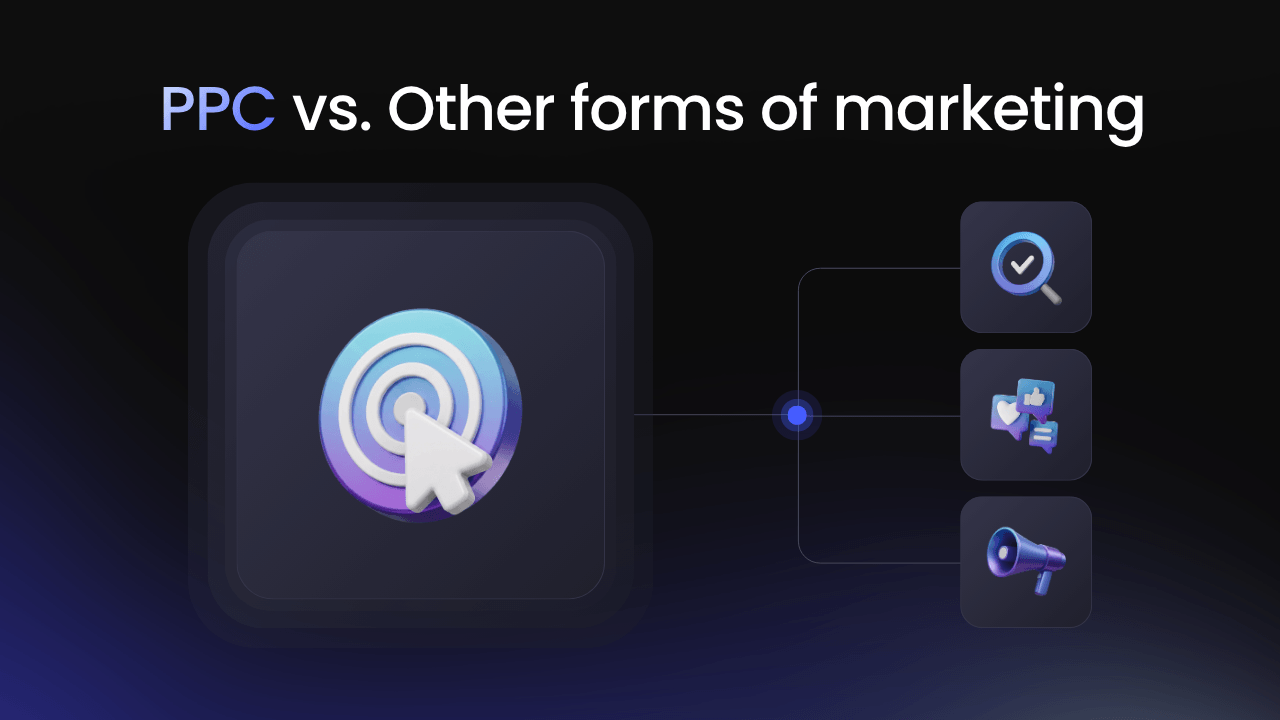
PPC isn’t the only way to capture the attention of your customers; like all forms of marketing, it has both advantages and disadvantages when stacked up against other channels. In this section, we’ll compare PPC to other digital marketing tactics to show where PPC for small businesses fits and where your budget will be put to best use.
PPC vs. SEO
PPC and SEO both get you into search results.
The only difference is that they operate on very different timelines.
A PPC campaign can bring traffic the day it launches. Whereas SEO builds visibility slowly, and it can take months of work on your website before you rank well for the keywords you’re targeting.
The tradeoff is that PPC traffic ends as soon as you stop paying, while good SEO content keeps attracting visitors long after the work is done.
The two also help each other in a way many owners miss.
Your PPC search term data shows which searches led to calls and sales. Good pay-per-click management puts that data to use, since those are the keywords worth building your SEO strategy and website content around.
So instead of guessing what to write about, you start with topics that are proven to sell.
PPC vs. Social Media Ads
The biggest difference here is intent.
Search ads show up when someone is actively looking for a solution, like a furnace repair or a dentist taking new patients. That person already has a need and is ready to act.
Social ads reach people while they scroll Facebook or Instagram for other reasons. Which means at times, some users may find them disruptive.
Because they interrupt someone who wasn’t really looking for you, they tend to work better for building awareness. In general, PPC management for search ads focuses on the people who are ready to buy.
PPC vs. Traditional and Directory Ads
Flyers, radio spots, and directory listings can still get your name out, but it’s hard to know (and track) what they bring back.
When a new customer calls, you often can’t tell whether they heard your radio ad, kept your flyer, or found your listing. And once they’ve reached out to you, there’s a good chance they would rather learn what you can do for them, rather than being questioned about how they found you.
Many directories also charge a set fee whether anyone contacts you or not. On the other hand, with PPC ads management, clicks, calls, and sales are tied to each ad, so you can see which dollars are working.
Where PPC Fits in a Full-Funnel Plan
The term funnel pops up in marketing a lot these days, but not everyone knows what it means.
In essence, full-funnel marketing is when you plan your marketing around every step a customer takes, from first hearing about your business to deciding to buy from you. Instead of putting all your money into one channel, you use different ones to reach people at each stage. And in the case of PPC search ads, they can either operate as a stand-alone option or be tagged into a larger funnel strategy when someone is ready to choose.
If you hire help, good pay-per-click managers will look at how your ads work alongside the rest of your marketing efforts. Because when each channel does the job it’s best at, PPC is there to catch the customers the others have warmed up.
What to Do Before You Launch Your First PPC Campaign
If you’re new to the world of PPC advertising, the first thing you need to know is that good pay-per-click advertising management starts before your first ad goes live.
Below, we’re using Google as an example to explain what pre-live campaign steps you need to take, but many of these concepts apply across other PPC advertising platforms as well.
Decide What You Want People to Do
It may sound simple, but trust us, it’s important.
Start by picking the one action that matters most to your business. It might be a phone call, a booked appointment, or even an online order.
But actually getting one of those results starts with knowing which one you need in the first place. If you’re unsure, it can be helpful to know roughly what a new customer is worth to you.
If the cost of your service or product is high, let’s say a $ 1,500 landscaping service) people will probably want to book a call first. Whereas if you’re selling sneakers for $120, a direct sale is far more likely.
Pick a Monthly Amount You’re Comfortable Spending
Choose an amount you could spend for two or three months without stress, since it takes time to learn what works. Much of your first month or two of ad spend will be going towards testing what works and what doesn’t.
Google asks for a daily PPC budget, so divide your monthly amount by 30.4 to get your daily number. On busy days, Google may spend up to twice that amount, but it balances out so you won’t go over your monthly total.
With a small budget, it’s better to focus on a few services than to spread your money thin.
Make Sure Your Website Is Ready for Visitors
Your ad sends people to a page on your website, so that page should be designed well with strong UI and UX, copy, and branding.
Send them to the page for the service they searched for, not your homepage. It should load quickly on a phone, explain what you offer, and show your phone number or booking button right away.
Create Your Google Ads Account the Right Way
When you sign up, Google may steer you into a simplified setup called Smart Mode. It’s easy to use but gives you less control over where your ads show and what you pay for. Look for the option to switch to Expert Mode before you build your first campaign. If the sign-up process pushes you to create a campaign right away, look for a way to skip that step until you’re ready. Setting things up correctly now makes PPC account management much easier later on.
Set Up a Way to Track Calls and Sales
Before your ads go live, set up conversion tracking in your account. This shows you when someone who clicked your ad calls you, fills out a form, or buys something.
Without it, you only see clicks, which won’t tell you if your ads are making money. Website builders like WordPress, Wix, and Shopify have simple ways to connect tracking.
List the Searches You Want to Show Up For
Write down the words your customers would type to find you, like “emergency plumber near me” or “free roof inspections”.
Google’s free Keyword Planner, inside your Ads account, shows how often people search for those words and roughly what each click might cost.
Then list searches you don’t want, such as “plumbing jobs.” These are called negative keywords, and adding them stops you from paying for the wrong clicks.
Choose the Area You Serve
Set your ads to show only in the places you actually serve, since this is the base of any local PPC strategy.
You can pick cities and regions or draw a circle around your business. In your location settings, choose the option to reach people who are in or regularly in your targeted area. The default setting can also show your ads to people far away who are simply searching about your area.

Choosing The Right PPC Partner
Running PPC takes more time than most owners expect. Ads need checking every week, budgets need adjusting, and it’s hard to tell whether the money you’re spending is actually bringing in customers.
That’s why the right partner matters.
You need someone who tracks your ads all the way to calls and sales, explains the results in plain language, and makes sure the pages your ads lead to are built to turn visitors into customers.
At Hypelocal our team handles strategy, setup, design, and ongoing improvements, so your ads and landing pages are planned together.
Every campaign follows a clear seven-step process, starting with a close look at your business and market. Using AI-assisted workflows, we can have your campaigns running in days.
We’re a Google Partner, and our work has generated more than $600 million in revenue for clients. When you work with us, you get regular reports that show what your ads are earning, without having to learn the system yourself.
You stay focused on running your business while we handle the ads.
Making PPC Work for Your Business
PPC lets you reach people at the moment they’re looking for what you offer.
You choose how much to spend, where your ads show, and which searches you pay for. And because every click can be tracked, you can see what your ads actually bring back.
The real work is in the management. Good results come from careful setup, regular check-ins, and moving your PPC budget toward what’s working. If you’re doing it yourself, start small, focus on one clear goal, and give yourself a couple of months to learn.
If you would rather spend that time running your business, Hypelocal can help. We’ll handle the setup, tracking, and weekly adjustments, and send you clear reports on what your ads are earning.
Reach out to talk through your goals and see if PPC is the right fit for you.
Common PPC FAQs
How Much Should a Small Business Spend on PPC?
There’s no set number, but a good starting point is an amount you can spend for two or three months without stress.
It helps to work backward from what clicks cost in your industry. If clicks cost about $5 and you want around 10 a day, that’s $50 a day, or roughly $1,500 a month. Google’s Keyword Planner can show you estimated click costs before you start.
How Long Does PPC Take to Work?
Your ads can start showing within a day or two, so you may see clicks and calls right away. Knowing what’s actually working takes longer. Most campaigns need a few weeks to collect enough data, and two to three months of steady adjustments before results become reliable.
Can I Manage Google Ads Myself?
Yes, and many small business owners do.
Plan to spend a few hours each week checking results, adjusting PPC budgets, and reviewing search terms. Google offers free training through Skillshop if you want to learn the basics. The trade-off is time, so it comes down to whether you’d rather spend those hours on your ads or on your business.
How Do PPC Agencies Charge?
Most agencies charge in one of three ways.
Some charge a flat ppc pricing monthly fee, some take a percentage of your ad spend, and some combine the two. Many also charge a one-time setup fee.
Whatever the model, ask what’s included, such as landing pages, tracking, and reporting, so you can compare agencies fairly.
What Is a Good Return on Ad Spend?
Return on ad spend, or ROAS, is the revenue your ads bring in divided by what you spent on them. If you spend $1,000 and earn $4,000, your ROAS is 4x.
A good number depends on your profit margins. A business with high margins can do well at 3x, while one with thin margins may need more to turn a profit.
What Happens When I Stop Running Ads?
Your ads stop showing right away, and so does the traffic they bring in. Your account, settings, and past data stay saved, so you can turn your ads back on whenever you’re ready.
This is one reason many businesses pair PPC with SEO, since SEO keeps bringing in visitors even when ads are paused.
Do I Need a New Website to Run PPC?
No. You do need a page that’s ready for visitors, though. It should load quickly on a phone, clearly explain the service people searched for, and make it easy to call or book. Often, improving one page for each service you advertise is enough to get started.

You may also like
Demand Generation Marketing
July 6, 2026
How Hypelocal Cut Cost Per Lead by 80% for a Saskatchewan Roofing Company
Hypelocal cut a Saskatchewan roofer's CPL 80% — from $506 to $99 — with an Anti-Ad strategy that led with honesty instead of price.

Data & CRM
Resources
May 7, 2026
Want To Make Better Business Decisions Faster? Build A Single Source Of Truth For Your Organization
hypeOS unifies your projects, clients, tasks, and docs into one connected Notion workspace so your team can make faster decisions and scale with ease.
Get in Touch


